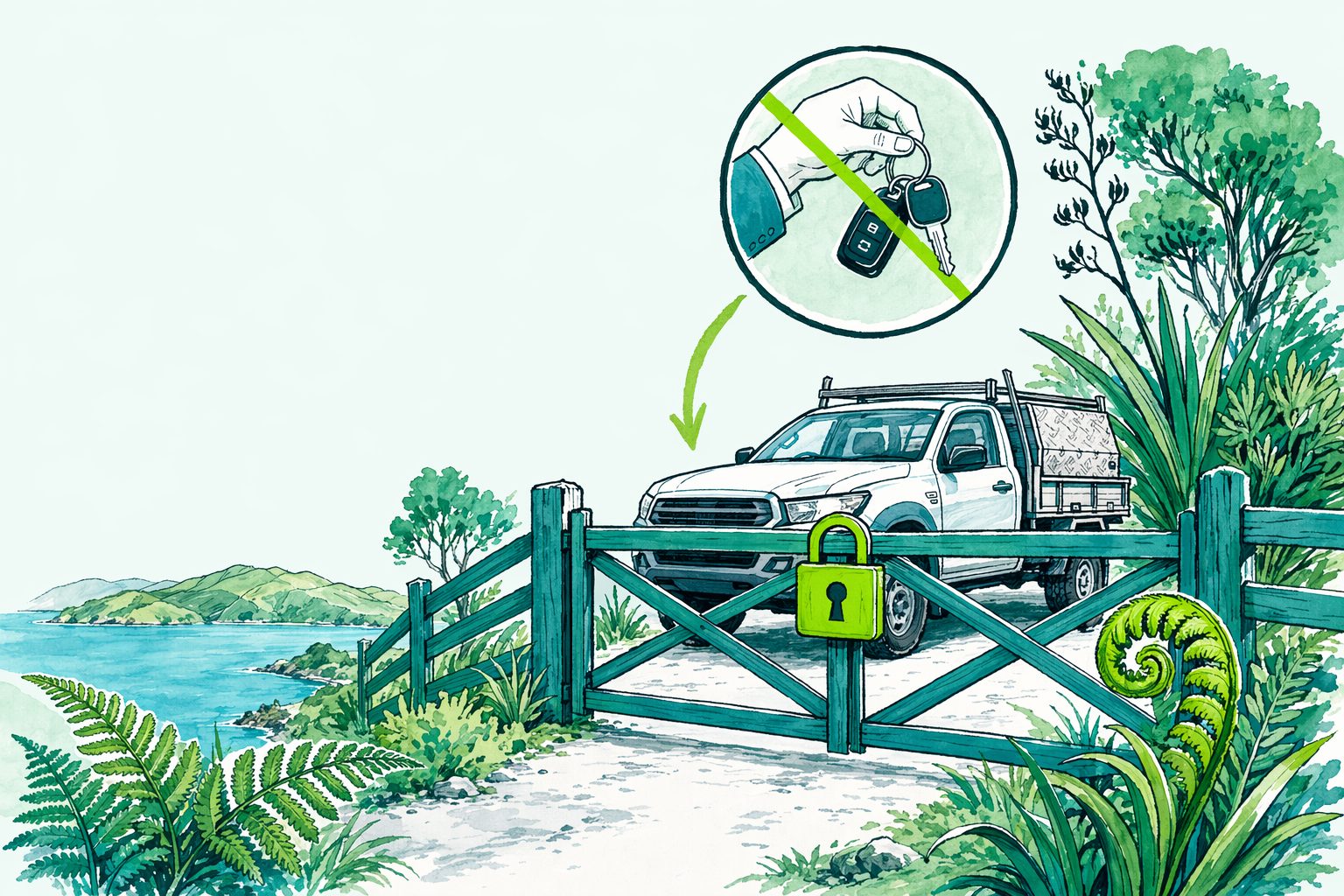
A company vehicle is one of the most common fringe benefits, and one of the most commonly mishandled. Whether you owe FBT on it usually comes down to a single question: is the vehicle genuinely unavailable for private use?
Quick answer
If your company provides a vehicle that an employee or shareholder-employee can use privately, fringe benefit tax (FBT) generally applies, even on days the vehicle just sits in the driveway available to be used. The charge is based on the vehicle's value and the number of days it is available for private use.
The main escape is the work-related vehicle exemption. A vehicle that meets strict conditions — chiefly a sign-written work vehicle that is not a car, with a written rule banning private use other than home-to-work travel — can be exempt. The key word throughout is availability, not actual use.
The detail, in plain English
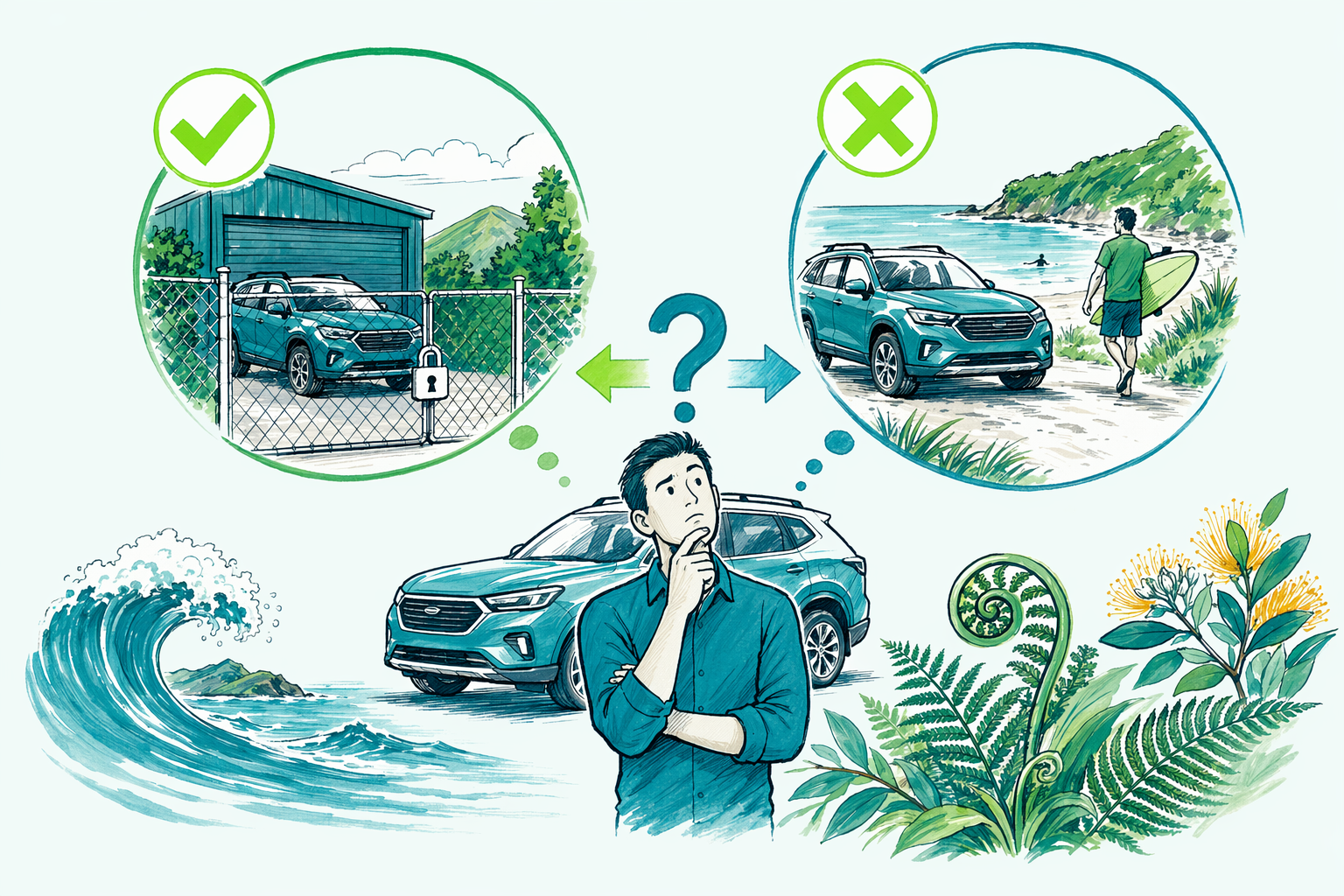
FBT on vehicles is charged on availability. If the vehicle is available for private use, FBT applies for those days regardless of whether anyone drove it privately. That is why “I hardly ever use it for personal trips” is not, by itself, a defence.
To qualify for the work-related vehicle exemption, the conditions generally include:
- It is a work vehicle, not a car. Think utes and vans permanently sign-written with the business name and logo — ordinary cars do not qualify.
- A written restriction from the employer prohibiting private use, other than travel between home and work and incidental work-related stops.
- The restriction is real and checked. The exemption depends on the rule actually being enforced, not just written down.
Even with a qualifying work vehicle, any day it is genuinely available for private use (for example, kept for a weekend trip) can be an FBT day. Two other points: emergency call vehicles have their own exemption, and the rules apply to shareholder-employees too, which catches a lot of small companies where the owner drives the company ute.
You calculate FBT either on the vehicle's cost price or its tax book value, then file quarterly or annually depending on your situation.
Record-keeping is what holds the work-related vehicle exemption together. The written restriction on private use needs to exist and be enforced — a signed letter in a drawer that everyone ignores will not survive scrutiny. Periodic checks, a logbook where appropriate, and clear signage on the vehicle are the evidence that turns the exemption from a claim into a defensible position.
There is also a choice of valuation base. FBT can be calculated on the vehicle's original cost price or its tax book value, and the better option depends on how new the vehicle is and how long you have held it. Older vehicles often fare better on book value, newer ones can go either way, so it is worth comparing rather than defaulting.
A simple example
Compare two company vehicles:
| Vehicle | FBT position |
|---|---|
| Sign-written ute, written no-private-use rule, parked at home only for home-to-work travel | Generally exempt under the work-related vehicle rules |
| Company sedan available to the director evenings and weekends | FBT applies for the days it is available privately |
The difference is not how much each is driven privately — it is whether the vehicle qualifies and whether private use is genuinely restricted. The sedan owes FBT simply because it is available, while the properly set-up ute does not.
Common mistakes to avoid
- Relying on low private use. FBT is about availability, not kilometres.
- No written restriction. A verbal “don't use it personally” does not secure the exemption.
- Treating a car as a work vehicle. Ordinary cars do not get the work-related exemption, however it is used.
- Forgetting shareholder-employees. The owner-driver of a small company is squarely in scope.
Don't overlook the quarter-by-quarter nature of the charge, either. A vehicle can be exempt for most of the year but pick up FBT days in a quarter where it was genuinely available for a private trip, so the position is reviewed period by period, not just once a year.
Where this fits in your return
FBT is filed on its own return (quarterly or annually), separate from your income tax, but it interacts with your company accounts because the vehicle and its running costs sit in the company. Getting the FBT treatment right keeps the company's deductions clean and avoids a later adjustment.
For the broader picture of taxable perks, see fringe benefit tax explained.
How Fernway can help
We assess whether your vehicle actually qualifies for the work-related exemption, put the right written restriction in place, set up the records that make it stand up, and handle your FBT returns. Where the exemption does not fit, we calculate the FBT correctly so there are no surprises in a review.
If you run a company vehicle and are unsure of your FBT position, book a free 20-minute review.
This is general information only, not personalised tax advice. Your situation may differ, so confirm it with us or check ird.govt.nz.
In plain English: FBT on a vehicle turns on whether it is available for private use, not how often it is driven privately — so a sign-written work ute with a real no-private-use rule can be exempt, while an available company car generally is not.
This is general information, not personalised tax advice.See our full disclaimer.