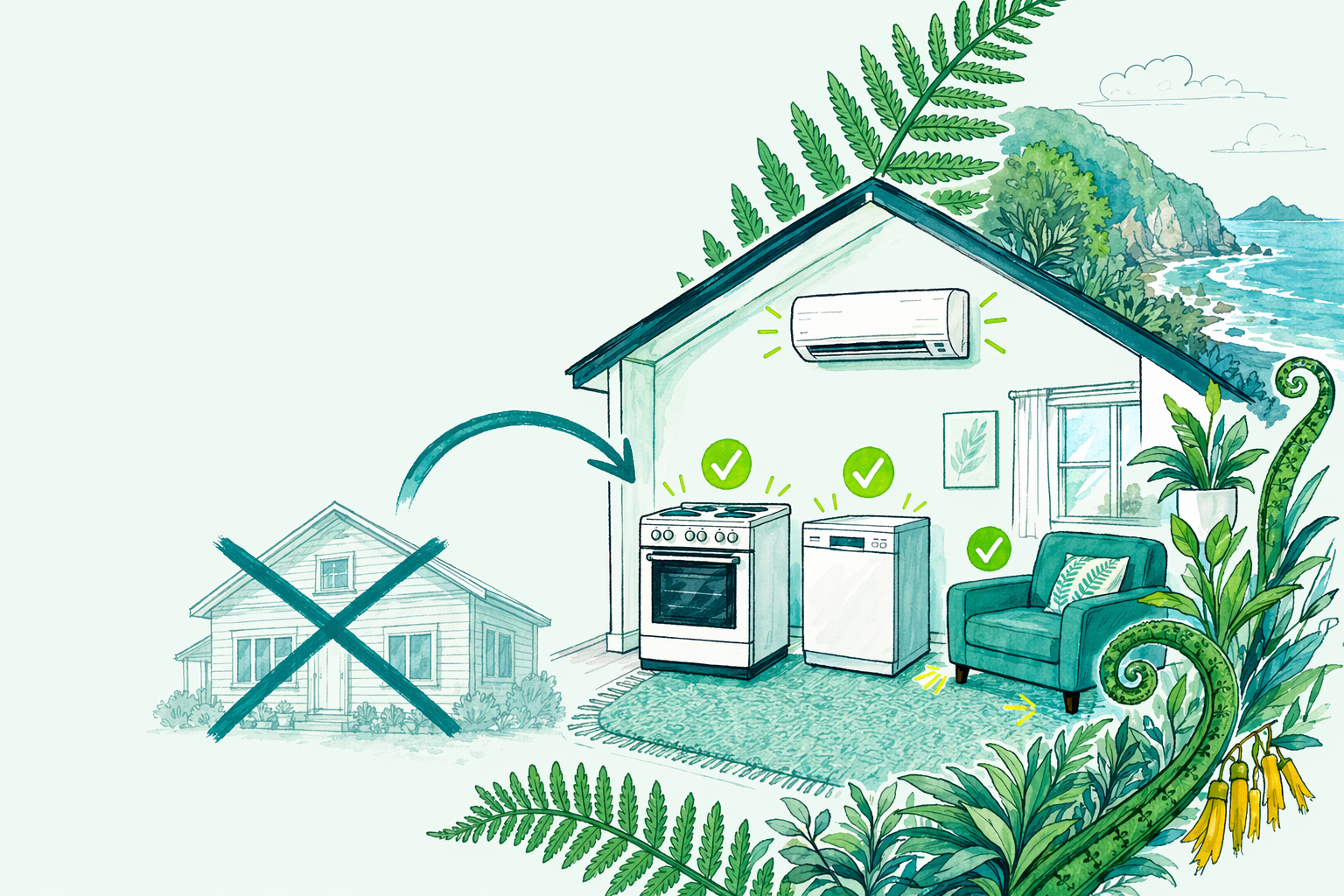
You can no longer depreciate the building itself on a residential rental, but the chattels inside it are a different story. Carpets, an oven, a heat pump and a dishwasher all wear out, and the tax rules let you claim that wear and tear.
Quick answer
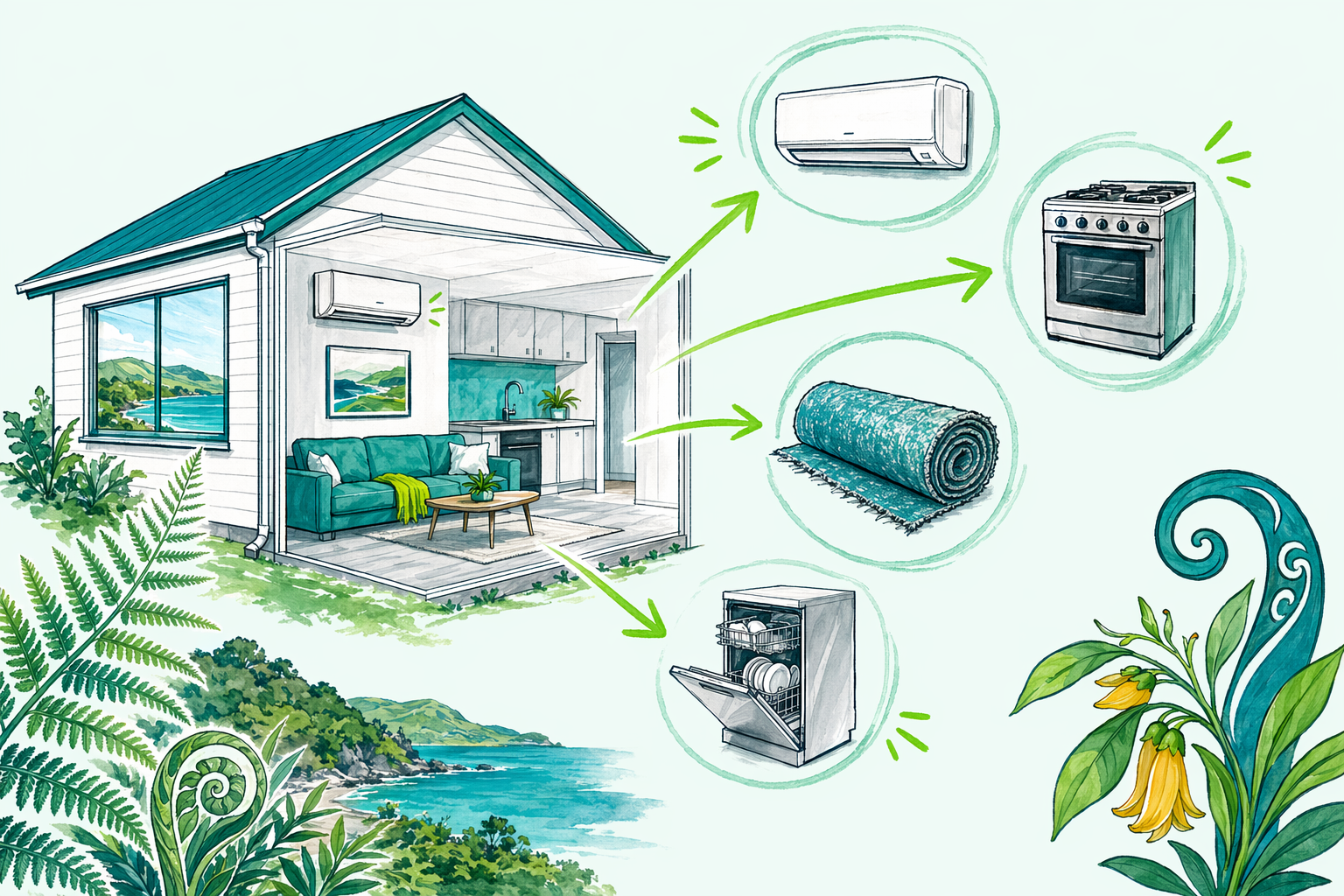
On a New Zealand residential rental you cannot claim depreciation on the building, because the depreciation rate for residential buildings is 0%. You can still claim depreciation on the separate chattels — the moveable, identifiable items like appliances, carpets, blinds, heat pumps and light fittings.
The practical win is at purchase time: when you buy a rental, splitting out the value of the chattels from the value of the building (a chattels valuation) lets you depreciate that chattels portion over its useful life and reduce your taxable rental income each year.
The detail, in plain English
Depreciation is the way tax recognises that an asset loses value as it gets used. A heat pump bought today is worth less in five years, so you claim a slice of its cost each year as an expense rather than all at once.
For rentals, the rules draw a firm line between the building and its chattels:
- The building (the structure, the roof, the permanent walls and floors) sits at a 0% depreciation rate, so no annual claim.
- Chattels are items that are not part of the building's fabric and can be removed without damaging it. These each have their own depreciation rate set by IRD, based on an estimated useful life.
- Low-value items under the current threshold can usually be written off in full in the year you buy them, rather than depreciated over years.
The grey area is fit-out that is “glued” to the building. Fixed wiring and plumbing are generally part of the building; a freestanding oven or a clip-in carpet usually is not. A proper chattels valuation at the time you buy the property is what makes the split defensible.
One more nuance is worth knowing. The depreciation method (diminishing value versus straight line) changes how the claim is spread: diminishing value front-loads the deduction into the early years, while straight line spreads it evenly. Once you choose a method for an asset you generally stick with it, so it pays to pick deliberately rather than by accident.
A simple example
Suppose you buy a rental and a chattels valuation identifies the following separable items:
| Chattel | Value | Indicative annual claim |
|---|---|---|
| Carpets and curtains | $6,000 | around $1,200 |
| Oven, cooktop, dishwasher | $4,500 | around $900 |
| Heat pump | $3,500 | around $700 |
| Blinds and light fittings | $2,000 | around $400 |
That is roughly $3,200 of depreciation in the first year that you would have missed if you had treated the whole purchase price as “building”. The exact figures depend on each item's rate and the depreciation method, but the principle is clear: the split is worth real money.
Common mistakes to avoid
- Treating the whole purchase as building. Without a chattels split, you claim nothing, because the building rate is 0%.
- Forgetting depreciation recovery on sale. If you sell a chattel (or the property) for more than its depreciated value, some of the depreciation you claimed can be clawed back as income.
- Depreciating items you should have expensed. Genuinely low-value items can often be written off immediately rather than spread over years.
- Confusing repairs with chattels. Replacing a worn carpet is usually a chattel purchase to depreciate; patching it may be a deductible repair.
The biggest avoidable loss is simply never getting a chattels valuation at purchase. Reconstructing the split years later from a single combined price is far weaker than a valuation done at the time, and a weak split is the first thing questioned in a review.
Where this fits in your return
Chattels depreciation is a rental expense, so it reduces the net rental result that flows through your IR3 (or your company or trust return if the property is held that way). That net result then meets the ring-fencing rules, so depreciation can increase a ring-fenced loss rather than refund cash directly.
When you eventually sell, watch for depreciation recovery, and remember the bright-line test may also apply to the gain on the building.
How Fernway can help
We make sure your rental has a sensible chattels split, set up the depreciation schedule, claim low-value items correctly, and track the depreciated values so there are no surprises when you sell. If you are buying a rental this year, getting the valuation right at the start is the single easiest way to lift your annual deductions.
Book a free 20-minute review and we will look at whether your rental is claiming everything it should.
This is general information only, not personalised tax advice. Your situation may differ, so confirm it with us or check ird.govt.nz.
In plain English: you can't depreciate the building, but you can depreciate the carpets, appliances and fittings inside it, and splitting those out at purchase quietly cuts your taxable rental income every year.
This is general information, not personalised tax advice.See our full disclaimer.