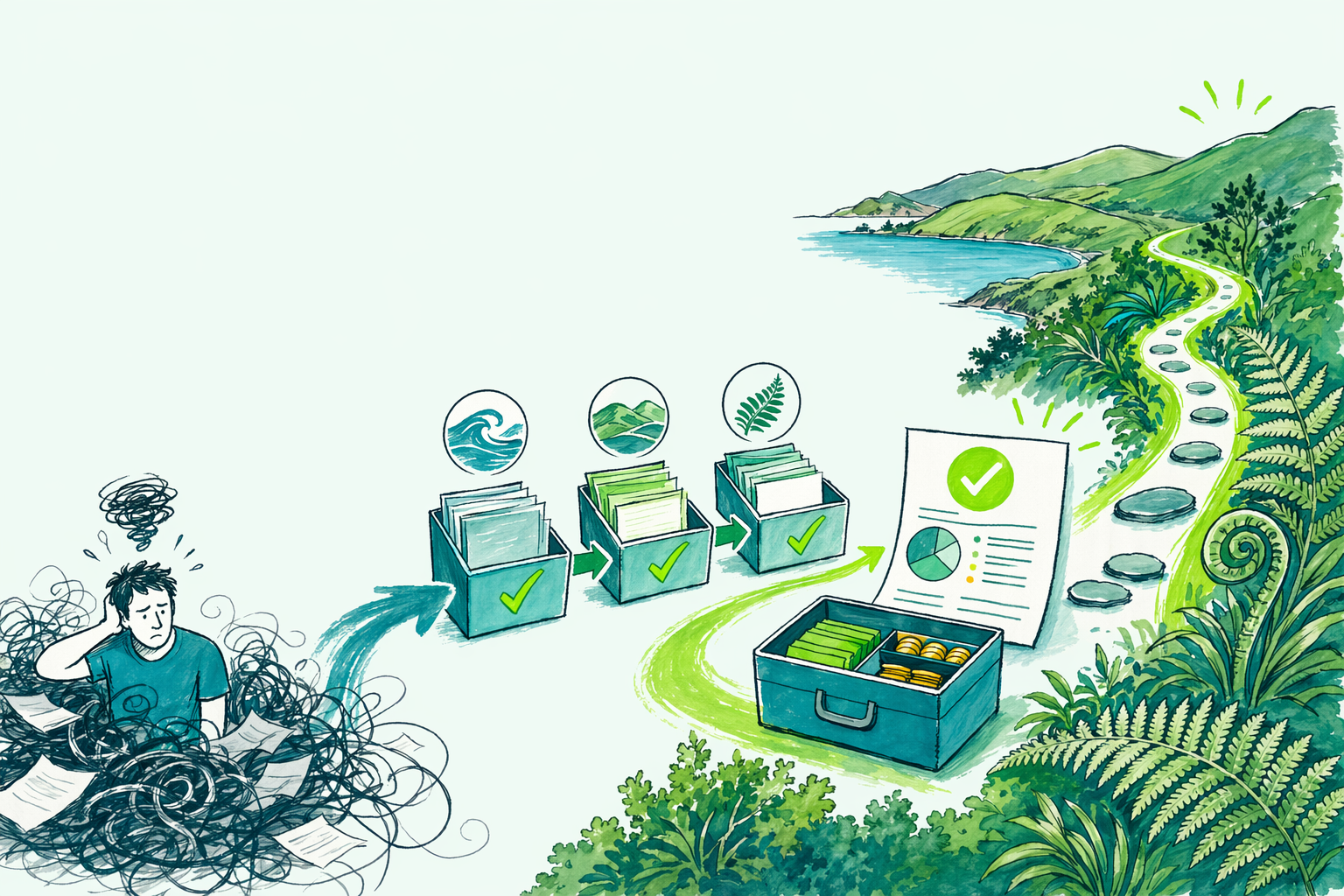
An anonymised example of a sole trader who had fallen three years behind on returns, and how filing the backlog in the right order and arranging the resulting bill turned a stomach-knot situation into a manageable plan.
The situation (anonymised)
The sole trader here is a tradesperson who kept working hard and meant to deal with the paperwork 'soon', until soon became three years of unfiled returns. By the time they reached out, the silence from IRD felt ominous and the not-knowing was the worst part. They had income coming in, some records, and a real fear that the eventual bill would be unpayable.
The honest truth in cases like this is that it is almost always less scary once the numbers are known. The debt is whatever it is; the anxiety usually comes from the uncertainty, not the figure.
It is more common than people imagine. Life gets busy, one missed year quietly becomes two, and the longer it goes the harder it feels to pick up the phone. The trader was not avoiding tax out of any clever plan; they were avoiding a task that had grown frightening in their head. Naming that out loud was part of getting started.
Filing the backlog in order
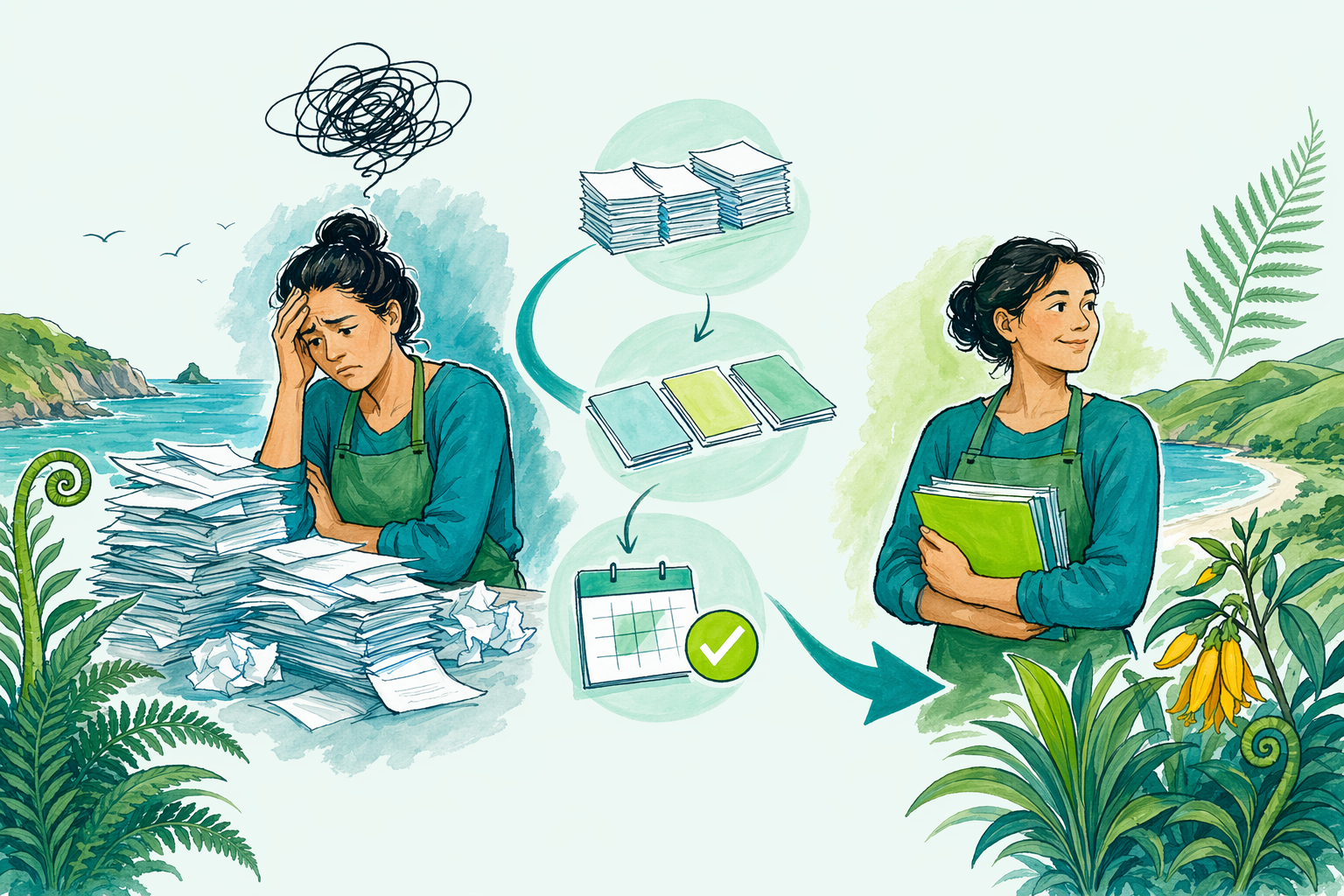
We worked the backlog methodically, oldest year first, because each year feeds the next.
- Reconstructed the records. Bank statements, invoices and supplier records were pulled together for each year so income and deductible expenses were captured properly, not guessed.
- Filed chronologically. We prepared and filed each IR3 in date order, so losses, balances and provisional-tax positions flowed correctly from one year to the next.
- Claimed what was due. Three years of legitimate expenses, use-of-home and vehicle claims and ACC were included, which often brings the real bill well below the worst-case fear.
- Considered voluntary disclosure. Coming forward before IRD comes to you can reduce shortfall penalties, so we framed the catch-up as a genuine voluntary disclosure where it applied.
Our catch-up returns guide covers the general process.
Order matters more than people expect. Tax years connect to each other through losses carried forward, provisional-tax positions and opening balances, so filing the newest year first and back-filling later tends to create errors. Working oldest to newest let each year hand the right figures to the next, which kept the whole sequence internally consistent and far less likely to need amending later.
Managing the resulting bill
Once the real figures were on the table, the conversation shifted from fear to a plan.
- Established the true position. With expenses claimed, the net tax owed was materially lower than the gut-feel number the trader had been dreading.
- Addressed penalties and interest. We looked at where late-filing penalties and use-of-money interest applied, and where voluntary disclosure could reduce them.
- Set up an instalment arrangement. Rather than one impossible lump sum, we arranged to pay the balance over time in amounts the business could actually sustain, as covered in your payment options.
- Built a forward system. Simple record-keeping and a tax set-aside habit so the trader never falls behind again.
The emotional turning point was seeing the real number. Once three years of legitimate expenses were claimed, the figure the trader had been catastrophising about came down to something they could picture paying off. Fear thrives on the unknown; a concrete balance with a monthly plan attached is simply a problem to be solved, not a cloud to hide from.
The result, illustratively
Illustrative and rounded, to show the shape of the turnaround rather than to promise a particular result.
| Aspect | Before | After |
|---|---|---|
| Returns outstanding | three years unfiled | all filed, in order |
| Knowing the number | unknown, feared the worst | real, lower figure established |
| Penalties | exposed and growing | reduced where voluntary disclosure applied |
| Paying it | one impossible lump sum | sustainable instalment plan |
| Going forward | likely to fall behind again | simple system in place |
The bill did not vanish, because real income earns real tax. What changed was that it became known, smaller than feared, and payable, and the trader got their relationship with IRD back onto a calm footing.
What you can take from it
If you are behind on returns, the most expensive move is to keep waiting. The longer you leave it, the more interest accrues and the more options you lose, including the penalty relief that comes with voluntary disclosure. File oldest year first, claim every legitimate expense, and once the true figure is known you can almost always arrange to pay it over time. The fear is usually bigger than the bill. See our disputes and catch-up service for the full picture.
There is also a practical reason to come forward sooner rather than later: voluntary disclosure generally earns better treatment on penalties than waiting for IRD to find you. So the longer you delay, the more it can cost on top of the tax itself. If you are behind, the cheapest day to start was last year, and the next cheapest is today.
Book a free review
However many years behind you are, we have seen it before and there is a way through. We file the backlog, work out the real number, and sort an instalment plan with IRD. Book a free 20-minute review, in confidence, and we will map the path forward.
This is an anonymised, illustrative example, not a record of a named client, and the figures are generalised to show how the rules work. Outcomes are not guaranteed and this is general information only, not personalised tax advice. Confirm your situation with us or check ird.govt.nz.
In plain English: being years behind feels worse than it is. File oldest first, claim your expenses, and you can usually pay a smaller-than-feared bill off in instalments.
This is general information, not personalised tax advice.See our full disclaimer.