
Working for Families can be worth thousands a year to a household, but for the self-employed it carries a trap: your entitlement is squared up against your real income once your return is filed. Estimate badly and you can end up owing it back.
Quick answer
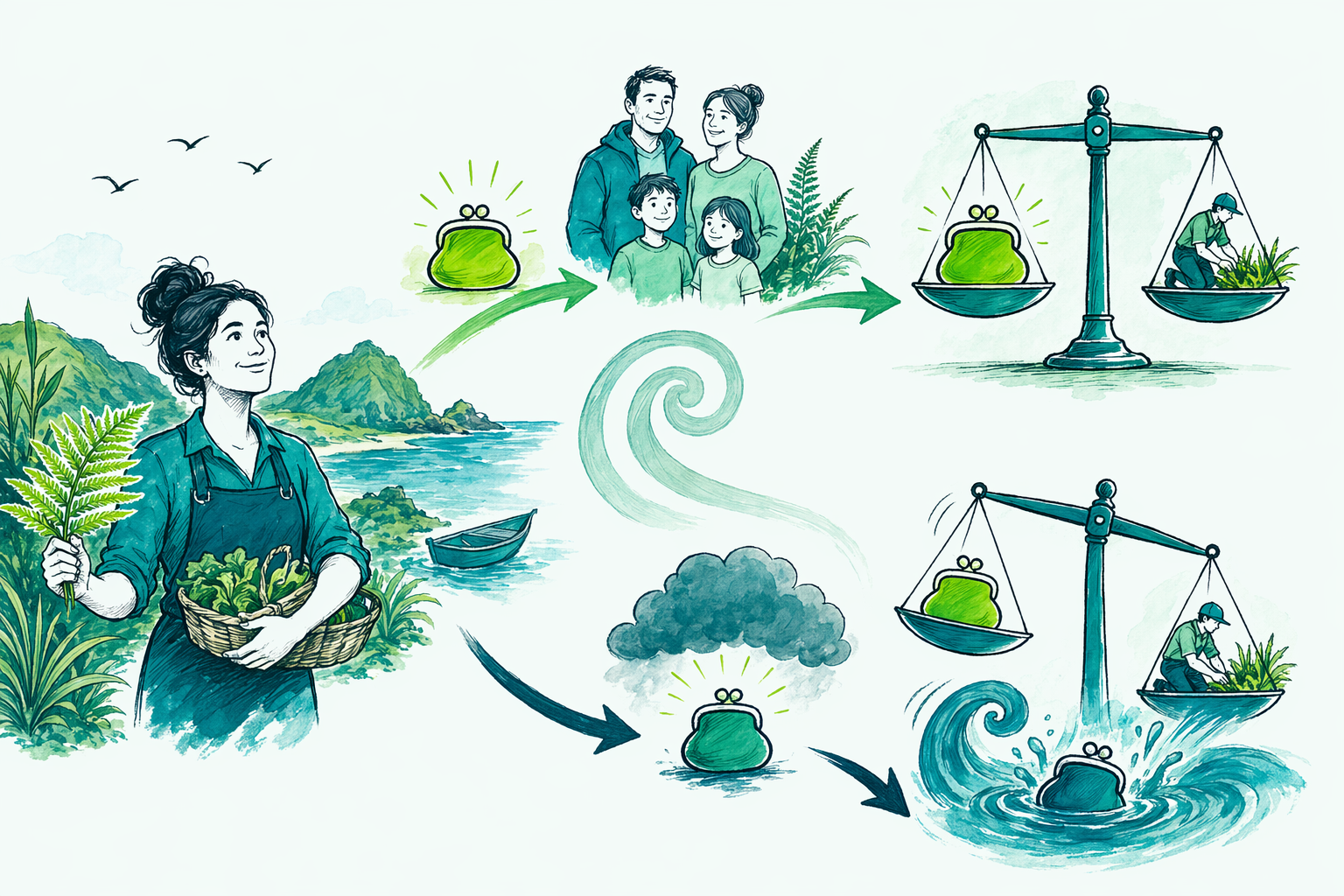
Working for Families tax credits are tested on your family income, which includes your self-employed profit, rental income, and your partner's income. While you receive payments during the year they are based on your estimate; after you file your IR3 the figure is squared up against your actual income. If you under-estimated, you may have to repay part of what you received. The fix is a realistic estimate and an accurate, on-time return.
The detail, in plain English
For a salaried family, income is steady and the square-up rarely springs surprises. For the self-employed it is different, because your profit is not known until the books are done. The mechanics:
- You estimate your family income for the coming year so weekly or fortnightly payments can be set.
- Payments are provisional. They are based on the estimate, not the final number.
- The IR3 fixes the truth. Once filed, your real profit (plus your partner's income and any rental or other income) sets the actual entitlement.
- The square-up runs both ways. A good year can mean a repayment; a leaner year than expected can mean an extra top-up in your favour.
The income that counts is broad, so a profitable side rental or a strong contracting year can quietly reduce your entitlement even if your day-to-day cashflow felt the same.
A simple example
A self-employed parent estimates family income at $70,000 and receives credits through the year on that basis. Business turns out stronger than expected:
| Item | Amount |
|---|---|
| Estimated family income | $70,000 |
| Actual family income (after IR3) | $84,000 |
Because the real income was $14,000 higher, the entitlement was lower than what was paid, and a portion of the credits has to be repaid at square-up. Had the estimate been kept up to date mid-year, the payments would have been trimmed gently rather than clawed back in a lump.
Common mistakes to avoid
- Setting an optimistic low estimate. It boosts payments now but builds a repayment later.
- Forgetting other income. Rental profit and a partner's income all count toward the family figure.
- Filing the IR3 late. The square-up cannot happen until your return is in, which delays sorting any over- or under-payment.
- Not updating a mid-year change. A big new contract is a good moment to revise the estimate.
Where this fits in your return
Your entitlement is driven by the profit on your IR3, so accurate return preparation directly protects your credits. The broader credit types and income test are covered on our Working for Families overview, and if you are also a sole trader the sole-trader return service ties it together.
How Fernway can help
We prepare your IR3 accurately and on time so the square-up is clean, help you set a realistic income estimate, and flag when a strong year is likely to reduce your entitlement so there is no shock repayment. Where a mid-year change matters, we tell you. Fixed fee, agreed before we start.
Book a free 20-minute review and we will check whether your estimate is set sensibly.
This is general information only, not personalised tax advice. Confirm your situation with us or check ird.govt.nz.
In plain English: your credits are squared up against real income once your IR3 is filed, so keep your estimate realistic, count all family income, and file on time to avoid a clawback.
This is general information, not personalised tax advice.See our full disclaimer.